Built for crops facing salt and high-pH stress
Unlocks nutrients, even in challenging soils.
−42%
Sodium
in young leaf sap
−46%
Chloride
in young leaf sap
+30%
Calcium
in leaf sap
11 → 86%
Phosphorus
uptake efficiency
48 → 94%
Silicon
uptake efficiency
In saline and lime-rich soils the nutrients are there, but the plant cannot take them up well. Here you can read what happens, where it occurs and what we measured at Van Gog Kwekerijen.
Where it happens
From the world map
to the root
Climate and irrigation water determine how much salt builds up. The effect becomes visible at the root.
Worldwide
833
million hectares
of soil with too much salt at a depth of 30 to 100 cm.
Source: FAO, Global Map of Salt-affected Soils
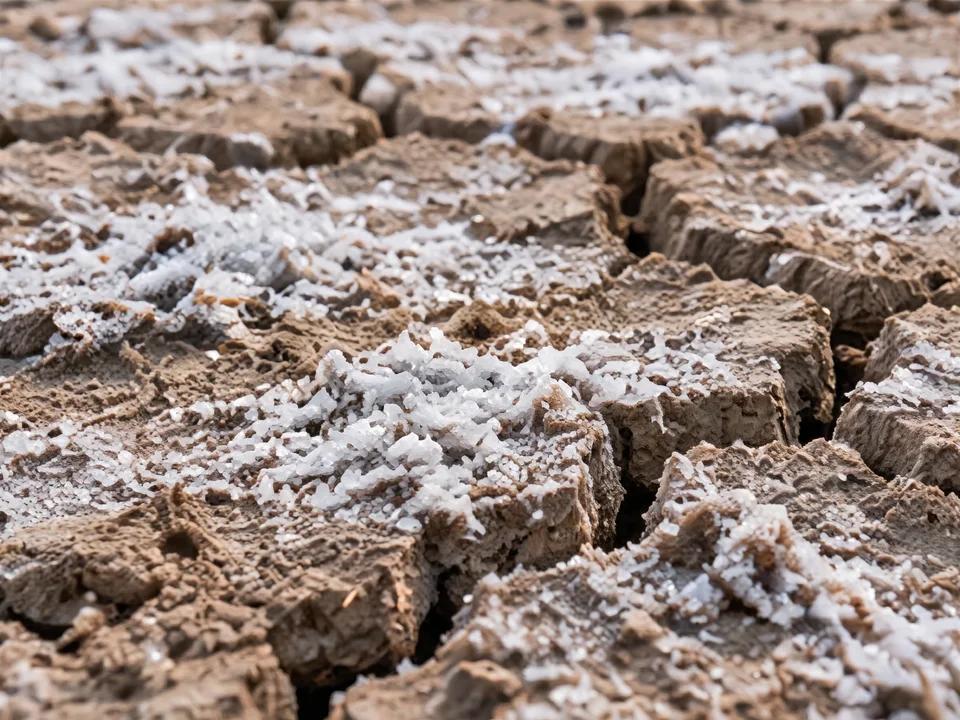
Hot and dry
Water evaporates, the salt stays behind.
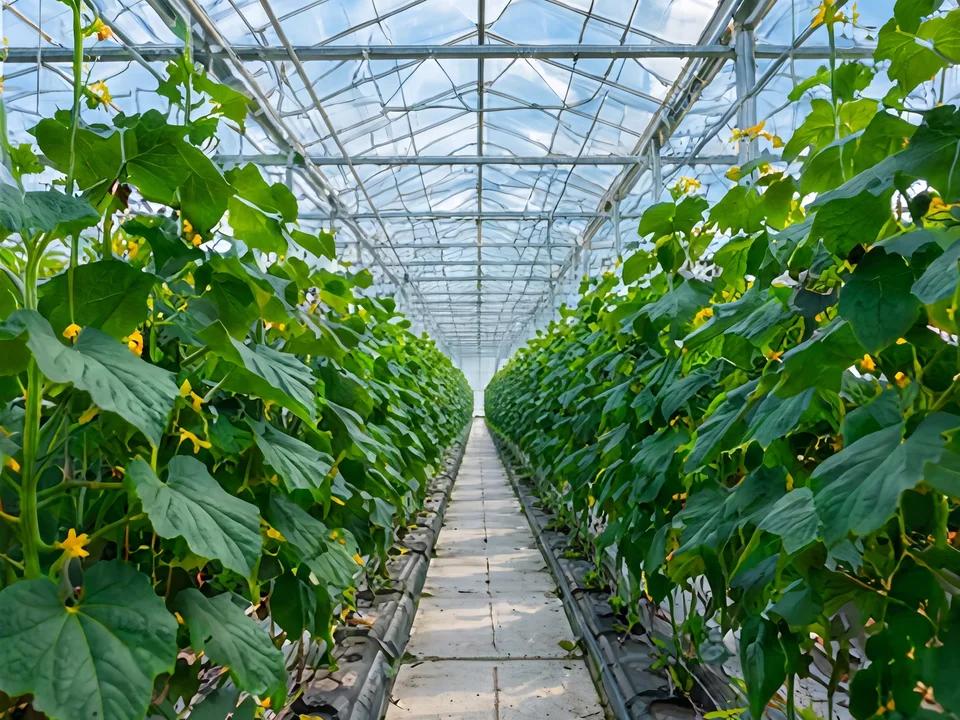
In the greenhouse
Irrigation water also brings salt into the greenhouse.
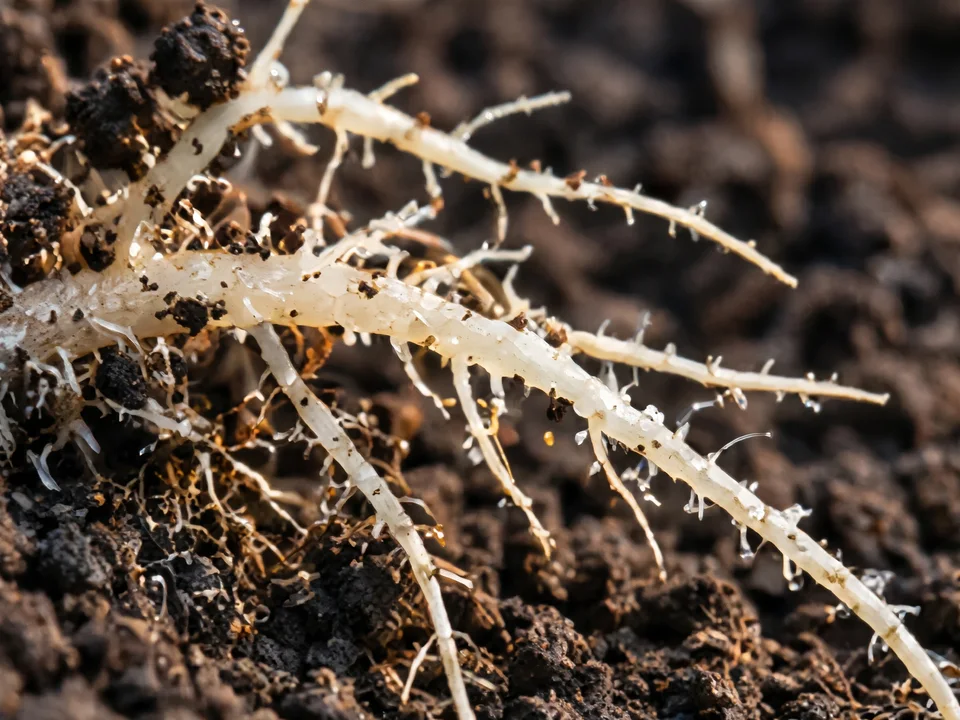
At the root
A high pH can make nutrients less available.
02 · The problem
Two problems,
one result
The plant takes up too few nutrients, even when you supply enough.
01
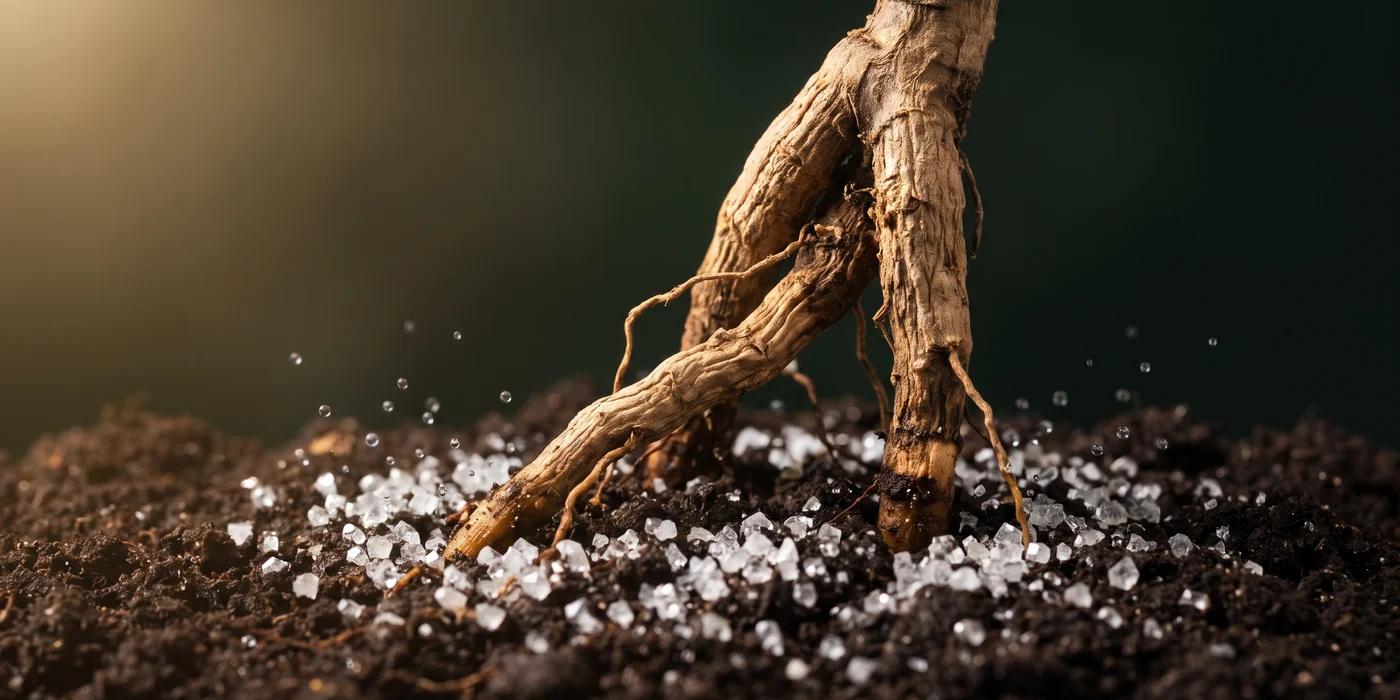
Salt stress
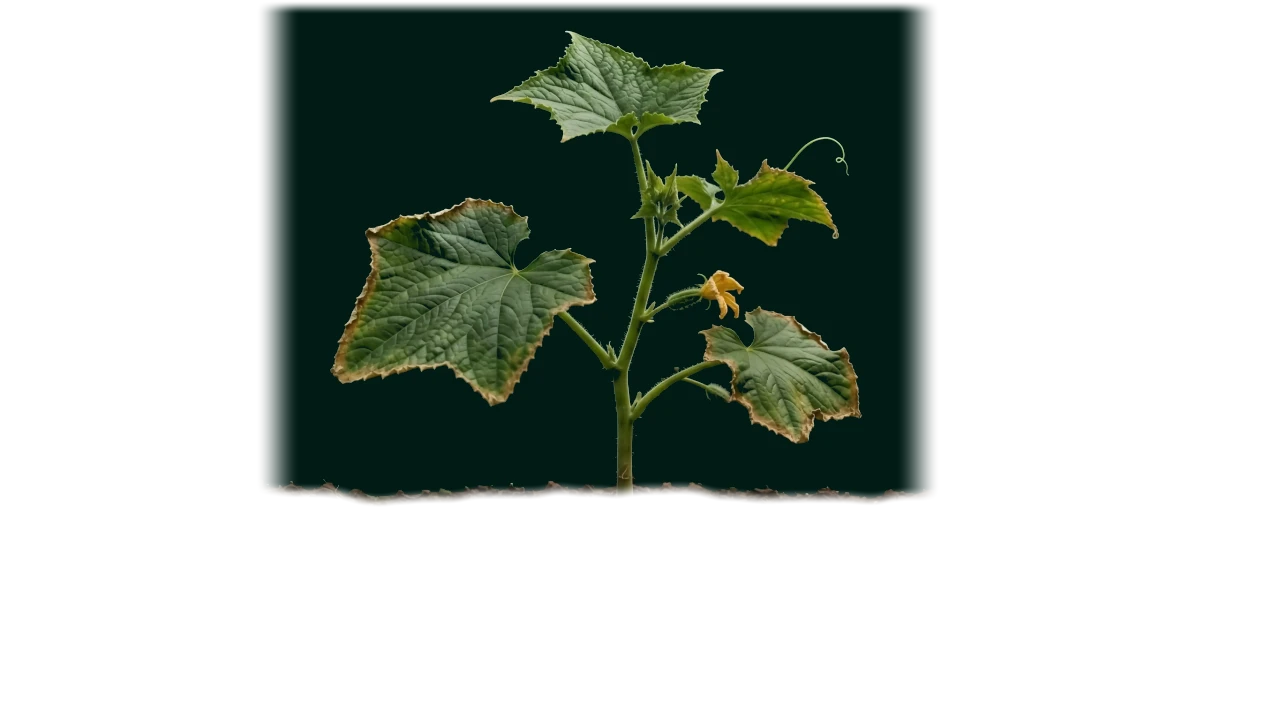
Too much salt in the root zone makes it hard for the plant to take up water and nutrients. Sodium and chloride still get in and build up in the leaves. That slows growth and costs yield.
What you often see
- Smaller, darker leaves
- Brown, scorched leaf edges
- Slow growth and fewer fruits
02
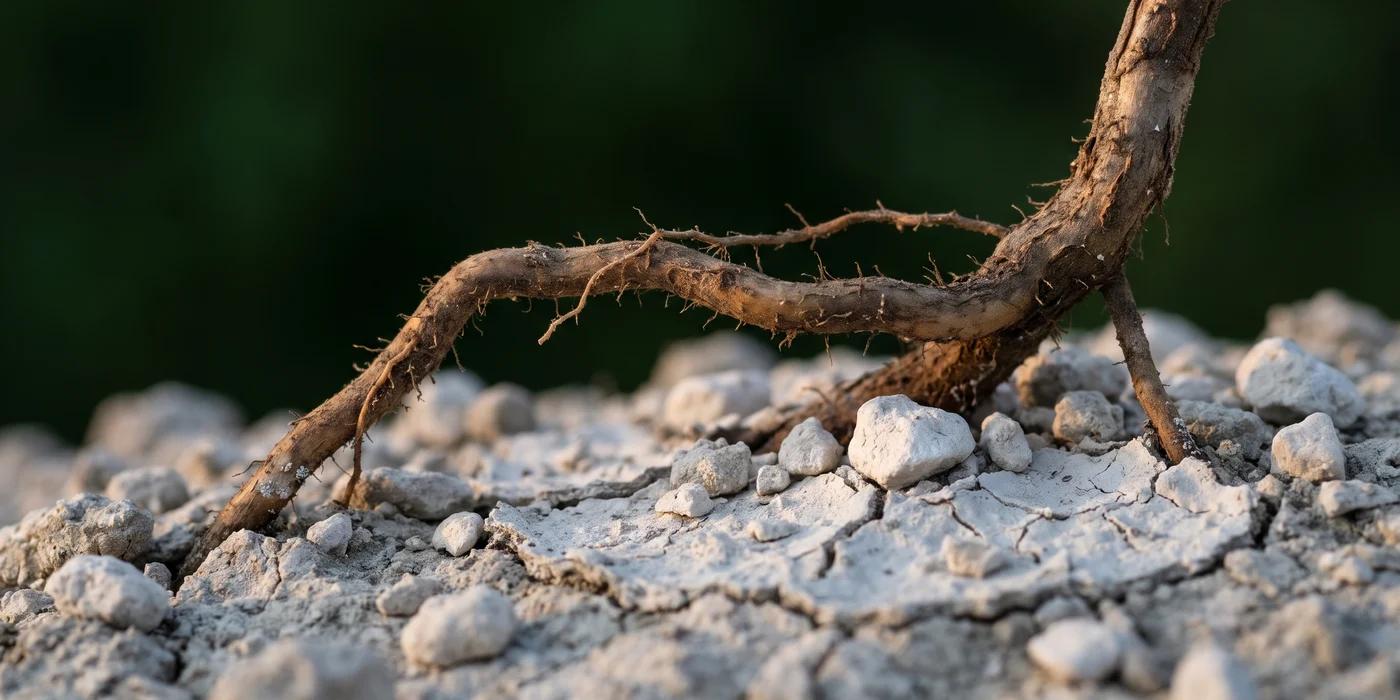
High pH and calcareous soils
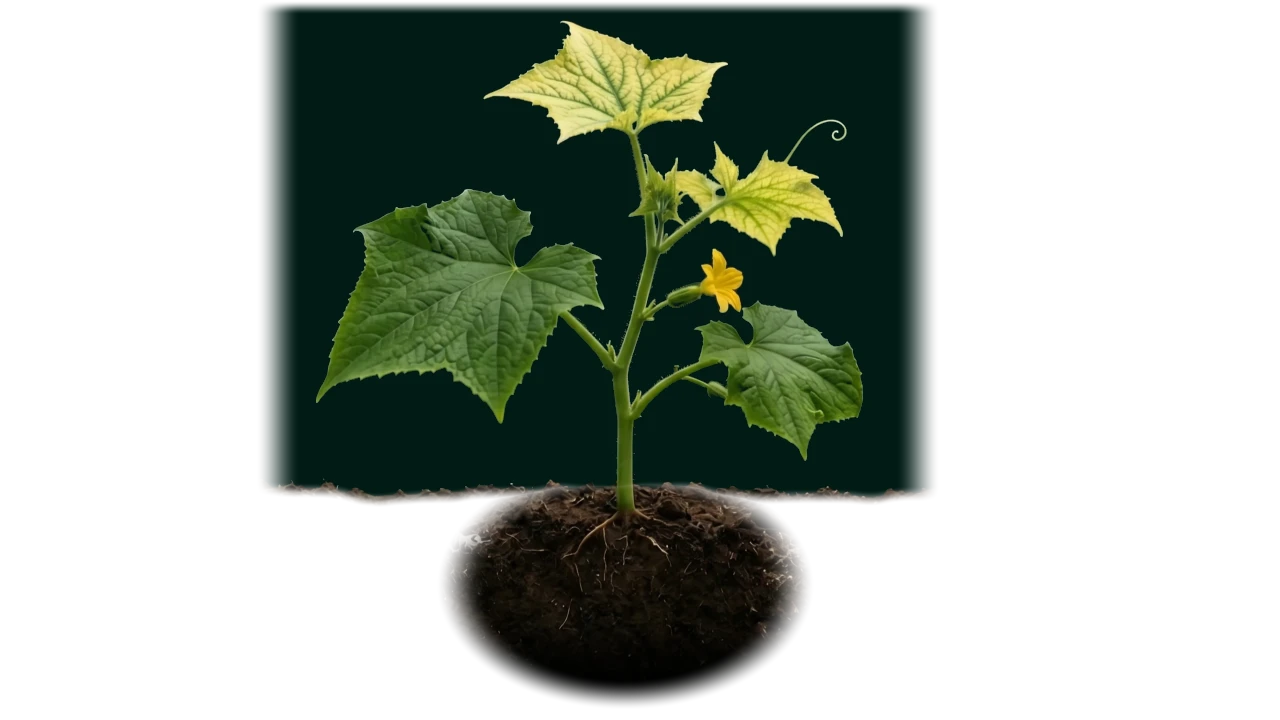
In lime-rich soil the pH is high. That can reduce the availability of essential nutrients such as phosphorus, iron, zinc and manganese. They are in the soil, but the plant has a harder time reaching them.
What you often see
- Yellow young leaves with green veins
- Weak root growth
- Fertiliser that does not seem to work
In both cases the nutrients are in the soil, but they do not get into the plant well.
03 · The solution
PlantiPower ALL12®
improves nutrient transport and availability in the plant, even under challenging salt conditions.
ALL12® is a natural nutrient transporter based on modified fulvic acids. It carries all 12 essential nutrients to the roots, so the crop takes up more of the fertiliser it already receives. It works alongside the existing fertilisation, through any irrigation system.
Dosage
50 L per hectare, once a month, via the irrigation system.
Mixing
Compatible with all fertiliser brands. Not with hydrogen peroxide.
No changes
No adjustments needed in EC or pH.
04 · Our trial
Tested in a
real production greenhouse
Not a tray in a lab, but cucumber in full production. An independent lab took the samples and did the analyses.
- Grower
- Van Gog Kwekerijen CV, Helmond
- Crop
- Cucumber on rockwool blocks on perlite bags
- Period
- September 2025 to February 2026
- Measurements
- 65 laboratory measurements by Eurofins Agro Wageningen
- Sampled
- Irrigation water, drain water and plant sap
Side by side
Afdeling 12 with ALL12 beside Kas 3 without it, in September and October 2025.
Before and after
Kas 3 was switched to ALL12 on 12 December 2025. The same greenhouse was then measured again.
A short explanation of ALL12 where crops face salt stress.
05 · The results
Less salt in the leaf,
more nutrients in
Salt out
In young leaf sap · Kas 3, before = 100
Nutrients in
Uptake efficiency · Kas 3 before and after
Silicon in the irrigation water stayed stable. Phosphorus rose even with a higher P supply.
Including the 9 February readings would put silicon uptake at 89% instead of 94%; the report says the direction is unchanged. The interpretation is by PlantiPower and was not validated by Eurofins Agro or Van Gog Kwekerijen.
Research
Four years of research with Wageningen University & Research on tomato and orchid: ranked #1 for salt stress tolerance out of 16 tested products; up to 13% more root formation, up to 15% more yield.
Measured at

Analysed by
Eurofins Agro
Included in studies by

Growing in saline or high-pH conditions? Talk to us about a trial.
Or email c.weijers@plantipower.com
Get in touch
today
Do you want to optimize your cultivation and get more yield from your crops? Request a sample or contact us for personalized advice.